The Incredible Gift of Our Spiritual Heritage: Sri Swami Chidananda

==============================================================================================
Tuesday 15, July 2025.
The Incredible Gift of Our Spiritual Heritage:
Sri Swami Chidananda
This article is a chapter from the book An Instrument of Thy Peace.
=============================================================================================
1.Our Over-expectation
2.You Kill Time until Time Kills You
3.The Way to Bliss, Peace and Joy
4.The Great Lights of Humanity
=======================================================================================

As far as we know about the human race, since ancient times there has been a continuing development in human society. In the beginning man wanted to know where he could find food, water and shelter, but then a period came when, not satisfied with knowing only about his immediate physical environment, the desire arose to ask deeper questions. Past observances had revealed to him that all of life seemed to be an entry and an exit. He began to ponder, “Why am I here? Where did I come from? Where do I go?”
These questions were asked, but there were no answers forthcoming. Some adventuresome people with a pioneering spirit desired to pry open the door that held this mystery and see what was behind it. This was a totally new and unexplored dimension. People started out on this intrepid search into the realm of the spirit, and they began investigating not only the outer nature but also the inner field of man’s own being. They must have gained insights into what up until that point had been a hidden unknown. These insights are the content of the metaphysical, philosophical and religious domain of man’s life. We are the richer because these ancient people took up this enquiry as their mission in life.

Today, confused and agitated mankind has lost its sense of identity and does not seem to perceive a satisfactory meaning in life. If man could but recognise that the discoveries of these ancient seers are meant for modern man, then he could once again regain his sense of direction in terms of the meaning of life. There would thus be a solution to the problems that cause him to be a stumbling, despairing wanderer. This stumbling would be a needless and avoidable distress if only man could realise that these ancient teachings were meant for this modern age as well. They are for us today, because these insights are the common heritage of the entire human species and are tools that are meant to be used. They are so many lights for us to live by and to guide us purposefully to exalted goals. This rich legacy of the past forms a perennial, precious heritage for mankind in every century.

Sadly though, the true place in life of these great teachings has not been recognised, and we are the poorer for it. So much suffering could be avoided if only the proper role these teachings have to play in our lives was acknowledged. They constitute the true wealth of human society. Ultimately, unless the “why and wherefore” of life is properly understood, man’s life is bound to be a confused, futile wandering filled with a great deal of disillusionment, frustration and sorrow. But if we claim this heritage, make it our own, and live in the light of these great revelations that the ancients have left for us, then our way will be clear.

If one were to ask a large gathering of people, “What is the way that you deal with your own mind?” one would find that most of them had never before asked themselves this question. They would also likely not even know that there is a need to have some formula for dealing with their inner self. They have no well-defined formula or method of mind management. Most probably the situation is that they are themselves managed by the mind. They just drift and go in whatever direction the mind drags them. This situation prevails in the vast majority of human beings in modern society. It is like being in a vehicle but not being in control of the steering wheel. This would lead to disaster.

There should b a purpose behind thought, and this alone can save the human individual from falling prey to miscellaneous and uncontrolled ideas. Aimlessness is a great vice as well as a great danger. It is a vice because it is also a danger–harm can come from aimlessness of mind even as harm can come from a vice. Just as we like to have a very well-ordered room with everything in its place, in a similar way we need to think of making the same arrangements within our own mind. We are very particular about the way in which our exterior looks, but we don’t bestow the same attention on having a well-ordered interior. Every person needs to be shown the necessity of purposeful thinking, and it is best done at an early age.
====================================================================================================
1.Our Over-expectation:

A great deal of sorrow could be avoided if only man would not neglect the great bequest of his ancestors. He has skilfully made use of science, trade, commerce and transportation that are necessary for his outer life, but the inner life is thrown away as unnecessary and useless. This present century is the end product of a continual process of advancements in all areas of human life except two–the moral view of life, and the higher metaphysical, spiritual dimension of the human being. Their value seems to have been cast away as meaningless chaff.

Man has hypnotised himself into a state where he has become convinced that it is no longer possible to follow anything noble and sublime. Man seems to have reached a position where anything that is violent, selfish and brutal is quite possible, but anything lofty, noble and sublime seems to be just so much air. Why is this? Once again, part of the reason for this state of thinking today stems from man having decided to essentially ignore the philosophical and moral heritage that he has received from the past. The science of behaviour, the art of good conduct, and the science of the soul have been ignored to such an extent that today no government ever thinks it necessary to educate its own people in these areas of life. These vital aspects of study find no place in the system’s scheme of education. The vast majority of people in most countries study history, maths, language, science and everything else, but not how to behave. However, only by knowing these vital subjects–who you are, whence you have come, where you go at the end of your life, what is the purpose of this life–can man live a truly meaningful life.
The problem of man is self-created through his negation of this particular aspect of his global human heritage, which is ironically the most precious and vital of all the factors of civilisation that have evolved through the ages. This earth life without its divine destiny is merely a coming and a departing, a birth and a death. We have to open our eyes and behold the richness of this heritage. We would find in it the balm to assuage our sorrows and the light to lead us out of the darkness in which we are stumbling. From these primordial discoveries, we have the clear and unmistakable declaration that man indeed has a higher divine destiny to fulfil.

All biographers start from the birth of a person and end with his death. Hardly anyone ever looks beyond the outer appearance and questions, “Is this all?” They take for granted that the death of the body is the end of everything. But indeed, this earth life is only a link in a long chain. You are not here for the first time, and this is not the only life you have had. This earth life is a single event in a process that is ultimately meant to take you into a state of absolute perfection. The Maker of man has a definite, well-ordered plan for things.
In the eyes of God, man’s life is a progressive ascent into a state of divine perfection. This was the clear vision which the ancients had and which they declared in no uncertain terms. The rays of the sun heat the water of the ocean and cause it to evaporate; the water vapour then ascends to cooler levels, condenses into clouds, and the clouds release their moisture as rain. The rain descends to the ground, flows into streams, joins the river, once again moves towards the sea, and finally reaches the source of its primary origin. Thus the cycle is completed. Even so, the discovery of the ancient sages and seers of illumined, transcendental experience saw in man such a journey back to the source of his being.
=======================================================================================
2.You Kill Time until Time Kills You

You kill time until time kills you. That is all. Then you get a little tombstone in a graveyard with two lines carved in marble and maybe a few lines in the newspaper, but what did you get from it all? What does it all mean? You slave and cheat and offend people just in order to get money for things. For what end? Is there anything in this entire universe that you can take with you when you die? Ultimately you are born and you die, and life is a slow process of gradually moving towards the moment of your last breath. Modern man sees spiritual idealism as incompatible with his life and as meant only for the visionary or mystic. This precious faculty of rationality and intelligence is never put to its true function, which is to question the “why and wherefore” of life. The ultimate conclusion might seem to be that life is meaningless.

There was once a greedy merchant in the South of India, who later came to be a great philosopher after his eyes were opened by a peculiar set of circumstances. He found out that when you finally die, not even the broken end of a rusted needle will go with you. It is only by considering things in the context of the unseen and unknown dimensions that this worldly life begins to have meaning. Life must be considered in relation to the great discoveries that the ancient seers made regarding the ultimate mystery of mankind.
Two great universal laws govern man’s life on earth. The first law states that within the human individual lies latent perfection–a slumbering spirit divine. Life on earth is the process of gradually reaching up to a state where the dormant divinity awakens and the latent perfection is made manifest. When that becomes a fact–and not just an abstract concept–human life is no longer fragmented by unfulfilled desires, and it becomes full of shining spiritual completeness. It is a state where man is totally full, sufficient unto himself, and where he rejoices in his fulfilment with no more need of anything. That is the crown of supreme happiness in which he rejoices in the fullness of the Self. The whole of life is the process of this unfoldment, this upward ascent to perfection. You have come here to fulfil this law, which is the inner dimension of your very being.

A second law follows, which is the law of karma–the law of cause and effect, action and reaction. That law says reassuringly, “Whatever you wish to become, you can be.” If you bring into being the right type of causes, you can make your future whatever you wish it to be. This law is to be evoked as the means of attaining your divine destiny. It is the wonderful instrument given to you by the Cosmic Being and is for you to put to active use. What you wish to become you can be, if you engage in the right type of activity. Action is the product of thought, so as one thinks, so one becomes. Therefore, make use of this instrument in the way that is calculated to bring your greatest good, which is the fulfilment of your divine destiny. Make use of this body that God has given you in such a way that it becomes the means of attaining divine perfection. If you relate this understanding to your worldly life, you will gradually see that life is not a monotonous daily repetition leading towards death.
I’ll be a little crude now with your permission. Let us suppose that a fifty year-old man were to calculate the amount of food that had gone into his stomach over his whole lifetime. After an approximate calculation of all the hot dogs, hamburgers, gallons of coffee, alcohol and Coca-Cola, he would see that he had taken in so very much food and then passed it out of his body as faecal matter. It might make for a very unflattering depiction. He might then ask himself, “Is this all I have been doing all these years?” Then if he also recalled all the nasty, negative things he had said and done, he would not like to make a long study of that most unpleasant picture.
However, if he also looked at his earth life of eating and drinking in terms of the higher aspect of his being, he would understand that the earth life helps lead to the divine destiny. The law of karma makes your worldly life–intelligently lived and properly understood–not merely a process of eating and sleeping, but a process that will surely bring you to the supreme goal of divine perfection. “I am here to attain this perfection, to rediscover my lost identity as a part and parcel of that universal cosmic consciousness called God. I am here to make use of this worldly existence by giving it a spiritual significance, for I am in essence divine.” By imparting this divine quality, you make this life the means of attaining your highest destiny.
This is the teaching of the great ones and also an admonishment to make use of this life as a process of higher spiritual evolution. Look with the proper vision and perspective: life is a precious gift and not something to make you weep and wail. It holds a deeper meaning as an upward ascent into a luminous state of divine consciousness of joy, bliss and peace. The worldly life of man is pregnant with a deep and serious purpose, and it holds the seeds of man’s eternal fulfilment. Once you understand the law of karma, you have a golden key given to you by an all-loving providence that provides you with the means of attaining a divine destiny.
==============================================================================================
3.The Way to Bliss, Peace and Joy:

Similarly, the mind was given to the individual soul of man to observe and understand life and to develop knowledge. However, if the desire-nature of the mind is allowed to dominate the consciousness, your behaviour becomes the source of grief and sorrow, because you are caught in the net of endless desire. Desire, by its very nature, can never be fully satisfied. As you go on fulfilling desire, it goes on intensifying. This has been discovered by the illumined sages who said, “Desire that has been aroused in the mind can never be subdued by the fulfilment of that desire. The more you keep fulfilling it, the more it intensifies and multiplies. Desire can be overcome only by transcending it.” But how can desire be transcended?
It is done through philosophical understanding and through realising your higher nature. One realises, “I am complete and self-sufficient. I am myself of the nature of bliss. I don’t need to run after fulfilling desires in order to find my happiness. I find that joy comes to me from my own inner Self.” If instead of this you make your mind only a playground for desires and cravings, then in this net of desire you will be caught in self-created misery and grief. Even if you take one hundred births through the ages, you will never be able to satisfy the endless desires and find happiness. Desire has to be sublimated, conquered and transcended, as this is the way to bliss and peace and joy. But who teaches this to our children, and who has this field of knowledge as part of their educational process? No wonder human society is so miserable!
Another great mistake in human life is allowing the intelligence to become gripped by ego. The function of the intellect is to govern the mind and to give it the proper lead so that it goes in the right direction. But through ignorance and lack of insight–or if our elders, parents and teachers fail to give us the knowledge to make life meaningful–the intelligence may become dominated by the ego. The intellect is then perverted into a centre of selfishness, and when this happens the intellect forfeits its status as a governing principle within our own psyche. It is no more able to direct the mind and to guide it, but instead it is gripped by self-satisfaction and desire-fulfilment. The pursuit of pleasure becomes the main activity of the intellect, and man suffers a downfall as the senses run riot. The mind becomes totally uncontrolled, because it is no longer exercising its proper function.
Such a perverted intellect throws to the wind all normal considerations, and it wants only to gain its selfish ends. Where the intellect is dominated by an ego identified with desire, the mind becomes totally entangled in the web of desire, and the life of man derails completely. The misguided mind does not care for moral principles or ethical standards, but without these, life becomes an animalistic process. Ethical standards and moral criteria alone make human life superior to that of animals.
When the intellect is under the influence of ego, it becomes perverted and ignores these standards. Man is then no longer able to attain his divine destiny. If this is clearly seen and man corrects his errors, retraces his steps and makes proper use of the mind and intellect as tools of evolution to grow in knowledge of his inner nature, then the intellect and mind become blessings and assets. Otherwise, they are liabilities, and man suffers as a consequence. What is more serious, his evolutionary process is retarded, he is enslaved by desire and dominated by selfish ego, and he puts a stop to the ascending process. Thus, God’s plan for man becomes thwarted. Man becomes his own enemy and the greatest obstacle in the fulfilment of his divine destiny.
==============================================================================================
4.The Great Lights of Humanity:

All the great teachers of mankind have set a model way of conduct so that this misfortune may not occur. By their own ideal lives these teachers have exemplified this ideal model of conduct. We have before us the inspiring lives of the saints and seers who have appeared in all the religious traditions. These great ones have come to give an example and to set standards for the rest of mankind. Let us not be so ungrateful as to forget these great lights of humanity, whose lives have been beacons to guide us. Let us repay the debt of gratitude we owe them by constantly keeping them alive in our collective memory and in our own personal lives. That is the road to achieving our destiny and the way to fulfil the divine mission for which we have come.
This spiritual mission is to be fulfilled even as we are living our ordinary lives and doing our daily tasks and duties. No matter whether you are a shopkeeper, lawyer, doctor, teacher or labourer on the road–whatever you are outwardly–you are a soul on the path of evolution towards your divine destiny. This name and form are only your temporary identity. Your eternal Self is moving towards its ultimate unfoldment and the recovery of its lost divine perfection. Don’t forget that. These two streams–the temporary stream of worldly life and the continuing stream of your inner spiritual life–have to be lived simultaneously. If you live only the temporary stream of your earth life, you lose your way. You lose a wonderful, God-given chance, because He has given you everything that you require.
Thus, let modern man open his eyes and see himself for what he is and know this worldly life for what it is–the process of a gradual, upward ascent unto divine perfection, and not merely a prosaic process of eating, drinking, sleeping and dying. Fulfil your divine destiny by understanding the law of karma and utilising it properly. Think over these things, have noble aspirations, engage in sublime deeds, and at the same time engage in positive spiritual practices that have the power to bring about the quick unfoldment of the inner spirit of man. This practical spiritual life is the real inner heart of all religions. Every religion has within itself a mystical dimension where spirituality is practised as a definite technique for attaining divine perfection. This inner content of religion should be the aspiration of each individual.
 |
To practise always the awareness of His presence needs to become your own personal religion. You may go to church each Sunday, listen to a sermon, pray and sing, give a donation, and then go home, but what about the other six days? Morning and evening you must commune with God through prayer, meditation and remembrance. At all times, in the midst of your activities, wherever you are, whatever you are doing, you must cultivate the practice of His divine presence. This is the way of the unfoldment of the soul. This is the way by which your worldly life can become the means of attaining your higher divine destiny. This is the path to peace and happiness. This is what will give your life real depth, bring it sublime meaning, and give it a definite direction. There will be no more reason for confusion, despair and disillusionment, if only human society could accept from the past this incredible gift of its heritage: this spiritual vision with its deeper understanding of mankind and his destiny.
*****

========================================================================================
The Essence of Dharma: Swami Krishnananda
(Spoken on February 11th, 1973)
========================================================================================

The duty of man depends upon the aim of life. Whatever we are supposed to do in our life is directed by the purpose for which we are existing. Aimless activity is unthinkable. All our efforts, professions and works are somehow or other directed to the achievement of an end, a goal or a purpose. Unless we are conscious and clear about the aim of our life, it would be difficult for us to determine the nature of our duties in life. In India especially, ethics is based on metaphysics. The conduct of life is rooted in the concept of existence.
Now, the purpose of life, or the aim of life, is again dependent upon the nature of the universe. How is the universe constituted? That depends very much on the aim of our existence, of our life, and consequently, the nature of our activity. We must know what family we belong to, what sort of atmosphere we are living in, what the tradition of our society is. That depends on the way in which we have to conduct ourselves in life. Likewise, we may have to find out the nature of the universe as a whole in order that we may know what our function in life is because we are inextricably involved in the structure of the universe. We are a part of the cosmos, and the laws that operate in the cosmos naturally have a say in the matter of our personal existence. We cannot do something contrary to the law of nature, of the universe, just as we cannot do something contrary to the principles of our own family or our society.
Thus, our little activities in day-to-day existence hang themselves on the vast concept of the cosmos. This is the peculiarity of Indian philosophy. Everything is connected with the cosmos. We cannot breathe unless we know the nature of existence as a whole. Even the smallest of our performances in life, whether religious or secular, is dependent ultimately on the structure or the pattern of the universe. All our activities are spiritualised in this manner.
The culture of Bharatavarsha, India, is spiritual in the sense that everything is connected with the universe. There is nothing which has no relevance to the cosmic processes of nature. If we install a newly made door, well, there is a prayer offered and a religious ceremony. If we build a house, of course, there is a very large ceremony indeed. If a marriage takes place, if a child is born or if someone dies, there is a religious ceremony. If a wife is pregnant, there is a religious ceremony for it. If new furniture is purchased for the house, we choose an auspicious day to sit on it and have a prayer offered. There is nothing unconnected with religion in India. We cannot wear a new sari or even a new shirt except on an auspicious day. Religion has gone to such an extent that even a shirt, even a buniyan, is connected with religion.
The idea is that though not all people in India are properly educated in the matter of religion, they are born and bred in a tradition which is so religious and spiritual that God's presence is taken for granted. Though today, due to the materialist way of thinking, people have begun to question the existence of God, originally it was not like that. It was a God-fearing and God-loving nation, and primarily and fundamentally it is that even today.
The structure of existence, the nature of the universe, was taken for granted as having a very intimate relationship with every activity of one's life. No activity is irreligious or unspiritual because no activity is outside the universe. The reason why every action is spiritual is precisely because of the fact that no action can be performed outside the purview of universal laws. This is an introductory remark concerning our duty in life.
The structure of existence, the nature of the universe, is the determining factor of all activities of human life, so all life is spiritual. There is no such thing as unspiritual life. It does not exist, and it is impossible. Anything that is universally related is spiritual. You may be wondering why I am connecting spirituality with the universe; it is a very pertinent question indeed, to which I will return a little later on. Why should universality be connected with spirituality? Even physical science accepts that everything is connected with the universal whole, but it is not spiritual, so why am I connecting spirituality with the universal nature of things? This is a point we shall discuss shortly.
In Indian psychology, philosophy and culture, the universal relations have been taken for granted as relevant to every activity in human life, and the duty of man was called a dharma, an obligatory attitude on the part of every individual in regard to his or her cosmic relations. There is no one in India who has not heard of the word 'dharma'. They will say, “This is not dharma.” He may not know what dharma is, but he will speak the word dharma. It is not dharma, not logical, not justifiable, not justice. That is what he means by saying this is not dharma. Justice is connected with dharma, dharma is connected with duty, and duty is connected with the universe. See how things are connected, how beautifully they are related. Our activities are connected to the universe; therefore, in order that our activities be tenable, acceptable, justifiable and good, they must bear a relation to the universe. If our action, our conduct, our attitude does not bear a relation to the universe, it cannot be called dharma. If our conduct has a relevance only to our little family of a few members and has no connection with anybody else in the world, it is local dharma, not samanya dharma, and it is not ultimately justifiable.
If we do something to save our family, to protect our family, we are doing the dharma of our family. But suppose in protecting our family we are harming some other family; that will not be ultimately justifiable. We may pay Paul, but we cannot rob Peter for the sake of that. We cannot commit burglary for the sake of helping poor people. Helping poor people is justifiable and necessary, but we should not do it if the funds are collected by burglary. So good on one side should not imply bad on another side. We have, therefore, a concept of samanya dharma and vishesha dharma. Vishesha dharma is the conduct, which is justifiable on a specific occasion, but samanya dharma is the conduct which is justifiable on all occasions.
How do we know what action is justifiable and what is not? There are some people who have laid down a principle. If a particular character, attitude or conduct of ours can be imitated by everybody else in the world with impunity, well, we can regard it as a justifiable action. Suppose you tell a lie. Would you like everybody in the world to tell lies? If you yourself would not like it, then it is not justifiable. Suppose everybody in the world is a thief, without exception. Would it be all, right? We will naturally say it would not be all right; therefore, theft is not justifiable. Incontinence universally practised is not justifiable. So, anything that is universally applicable with impunity to everyone is often regarded as a test of dharma or justifiable action. The principle, however, ultimately is that it should be universally applicable and the law operating in the cosmos should determine action.
There is also a principle of dharma laid down by certain other moralists that things should be regarded as ends rather than as means because the universe does not contain means. It contains only ends. Every part of our body is an end in itself and not a means to some other; it has a justifiable existence of its own. Therefore, every individual in the universe should be regarded as justifiably existing on his own or her own status. Every person has a status of his own or her own. We do not exist because of somebody else.
Now, the attitude of connecting one person with another person is not samanya dharma, or an ultimately justifiable attitude. I am not an instrument of your pleasure in any manner whatsoever; therefore, you cannot regard yourself as a purpose, and myself as an instrument towards the fulfilment of that purpose. So the moralist's canon is that that attitude alone can be regarded as justifiable, good and moral or ethical which regards a thing as an end in itself, and not as a means to something else. It is true that we use things as a means, but towards a higher end. When you use a particular person or a thing as a means to a certain fulfilment, even that is towards the fulfilment of an end which is in view, and not merely for the fulfilment of the character of one's being the means.
The third principle of morality is that the urge for doing good is a categorical imperative. A categorical imperative is a philosophical jargon which simply means a 'must' or an 'ought' that urges itself forward from within us without anyone telling us. We need not be told what is good. Our conscience will tell us what is good. That inward urge towards the rectitude of a particular action, the pricking of the conscience, as they generally say, is a good test of morality and ethical conduct.
All these tests ultimately depend upon the integrality of the cosmos. I began by saying that every action bears a relevance to the structure of the universe, and the structural pattern of the universe is, therefore, the determining factor of the conduct of every intelligent being. Now, the universe being an end and not a means, and every part of it being connected with it in such a way that nothing can be regarded as a means, our activities also become ends in themselves when they are spiritualised. As a matter of fact, the karma yoga doctrine of the Bhagavad Gita is nothing but regarding action as an end in itself, and not as a means to some other purpose.
When an action brings a result which is different from the structure of the action, then it is unspiritual and undivine. When an action is an end in itself, it need not produce a result. What we do is the purpose in itself. This is a peculiar structure of action which is promulgated in the Bhagavad Gita, and which is difficult for the human mind to understand. We cannot understand what karma yoga is, however, much we may wrap our heads around it. Karma yoga is not simply unselfish action. How can we perform unselfish action? When action is unselfish in the true sense of the term, it will produce no result. If it produces no result, why do we do it?
We generally have a give-and-take attitude. When you perform an action, put a question to yourself: “What will it bring to me? Why should I do it?” This is a question which always comes up in one's mind whenever one is asked to do anything. The action must produce a result, which means to say we are always accustomed to performing actions with an ulterior end or a motive, and never in the spirit of karma yoga. Karma yoga is action which is an end in itself because it is the spirit manifesting itself. The spirit is an end, and not a means.
Now I am slowly coming to the point as to why spirituality is connected with universality. If the universe is the determining factor of every conduct and action of an individual, the individual being a part of the universe, and it being clear at the same time that the fact of the individual's bearing a relevance to cosmic existence also implies the universal determining individual action, then the nature of the universe remains to be explained.
What the scientists can understand is that the universe is a single force. What our modern scientists tell us, having understood it thoroughly, is that the universe is a complete continuum of a single uniformly moving force, of which every individual is a part. But what the scientists cannot understand is that the universe is conscious. It is not jada; it is not inert.
Now the question comes, “How is the universe conscious?” I will come to that point slowly again. The scientists' viewpoint is that the universe is a single undivided continuum of force. Mark the word 'undivided', which means to say that there is nothing external to the universe, outside the universe. Even according to our top physicists of modern times, there is nothing external to the universe. The universe is one, and it is one in a very peculiar sense that it is an undivided continuum. A continuum is the nature of that particular pattern of existence wherein divisions cannot be imagined. It is like the flow of the Ganga, the mass of water in the ocean, or whatever you may regard as a suitable comparison for this state of affairs. The universe is a continuity and a pattern of flow of events which cannot be distinguished ultimately one from the other. That means to say, there is nothing outside the universe. I am repeating this again and again so that the point may become clear to your mind. There is nothing external to the universe, according to modern physical science.
Then, where is consciousness? Does consciousness exist, or does it not exist? If it does exist, is it part of the universal continuum or is it outside the continuum? We cannot say that it does not exist, because who told us the universe is a continuum of forces? It is the consciousness of the scientist that tells this. The inert physics or the unconscious universe does not speak. The universe does not say, “I am a continuum.” It is the intelligence of the scientist that says the universe is an undivided continuum. Does this consciousness or intelligence of the scientist exist? Naturally, the scientist has to say it exists. Does it exist outside the continuum or inside the continuum? We cannot say that it is outside the continuum, because there is nothing external to it. If it is internal, we create a division in the continuum. It has already been accepted that the continuum is such a state of affairs that we cannot imagine a division in it. There cannot be consciousness seeping into the structure of the cosmos like cloth which has been soaked in water. If we dip cloth in a bucket of water, every fibre of cloth is permeated by water. Yet, water is not cloth, cloth is not water. We cannot say that the cloth is a continuum. It is not. It has divisions within it. But the present-day scientists discovered that the universe is an undivided continuum. So, consciousness has no place at all in the cosmos, and yet it exists.
Here is the parting point with science. We bid goodbye to science at this point. While up to this time it was a great aid to us, in future it shall not be an aid to us because here is a thick wall or a black curtain in front of the scientist through which he cannot pierce, or which he cannot scale.
The universe contains a peculiar principle called intelligence or consciousness which is responsible for our thinking, and for our saying anything at all. Even to be a materialist, consciousness is essential. We must be a good conscious being in order that we may be a good materialist. It is the consciousness that says, “I am a materialist.” It is consciousness that says that only matter exists. Do you understand this mystery? It is consciousness that asserts that consciousness does not exist. Who makes this assertion that consciousness does not exist? Consciousness. Very interesting. Consciousness says that consciousness does not exist, because matter has no intelligence and cannot say this.
Now I am coming to another aspect of this question which is very intimately connected with the earlier one. The universe is a continuum, an undivided being, according to physical discovery. So is consciousness. Consciousness is a continuity. It is an undivided flow, as it were. It should not be called a flow, but for want of a better word I will call it a flow because it is permeating and pervading every bit of existence. But it does not pervade another object like water permeating cloth in a bucket of water.
Inasmuch as consciousness is undivided, there cannot be externality to it. Even a universe cannot exist outside it, but the universe exists. We are seeing it. So, we have two continuities, two continuums – the universal continuum and the consciousness continuum. This double continua of consciousness and matter have led some people to imagine that there is an infinite matter and an infinite consciousness. This is the Sankhya philosophy of India, which says there is a ubiquitous and eternal matter and also an ubiquitous and eternal consciousness, Purusha. But what is that which is between the two? Nobody knows. This is a no-man's land. As there cannot be a no-man's land between consciousness and matter, Vedanta comes to the forefront and says, “Sankhya, you are wonderful. You have gone ahead of the scientists in positing the existence of consciousness. You have won a victory over the ignorance of the scientists. But you are also mistaken inasmuch as you have created an unbridgeable gulf between consciousness and matter. How does consciousness know that matter exists if there is no connection between the two?” If Sankhya is ultimately right, how does Purusha know that matter is? The very fact that consciousness knows the existence of matter shows that consciousness pervades matter. It is not an unbridgeable gulf between the two.
The universe is such a mystery before us. It is a beautiful blend of object and subject – the object being matter, the subject being the spirit. We cannot as human beings understand what this beautiful blend is. Today I am not going into the subject of the nature of this blend of spirit and matter, as my purpose is something else. But Vedanta prescribes a solution for this enigma of the duality of spirit and matter, to which a hint is given in the Thirteenth Chapter of the Bhagavad Gita, where the Absolute is described. The Absolute is both subject and object.
Jñeyaṁ yat tat pravakṣyāmi yaj jñātvāmṛtam aśnute, anādimat paraṁ brahma na sat tan nāsad ucyate; sarvataḥpāṇipādaṁ tat sarvato'kṣiśiromukham, sarvataḥśrutimal loke sarvam āvṛtya tiṣṭhati; sarvendriyaguṇābhāsaṃ sarvendriyavivarjitam, asaktaṃ sarvabhṛc caiva nirguṇaṃ guṇabhoktṛ ca; bahir antaś ca bhūtānām acaraṃ caram eva ca, sūkṣmatvāt tad avijñeyaṃ dūrasthaṃ cāntike ca tat (BG 13.12-16). It is both inside and outside. What a wonder it is! This is the transcendent solution of the mystery between spirit and matter. We cannot understand it because it is subtler than our understanding. It looks very far because it is infinite, but it is very near because it is the Self of the thinker himself.
Avibhaktaṃ ca bhūteṣu vibhaktam iva ca sthitam, bhūtabhartṛ ca taj jñeyaṃ grasiṣṇu prabhaviṣṇu ca (BG 13.17): Though things are divided, it is undivided within the divided being. Jyotiṣām api taj jyotis tamasaḥ param ucyate, jñānaṃ jñeyaṃ jñānagamyaṃ hṛdi sarvasya viṣṭhitam (BG 13.18): It is inside our very heart. This supreme solution to the mystery and enigma of the dichotomy between spirit and matter is hidden within our very heart. How can we understand it? We cannot see our own eyes; we cannot see our own back. Such is the tremendous significance of our activities, our conduct. This is the nature of dharma.
Dharmasya tattvam nihitaṃ guhāyāṃ, mahājano yena gataḥ panthāḥ (Śrī Caitanya Caritāmṛta Madhya 17.186): We cannot know what dharma is because we cannot know what the universe is. We cannot know what the universe is because it is a blend of spirit and matter in a transcendent fashion in the Absolute. Therefore, the advice given to us is to follow the path of the great ones. Do not try to solve the mystery of dharma for ourselves. Dharmasya tattvam nihitaṃ guhāyāṃ: The secret of dharma is hidden within the cave, which means to say it is unknowable, very secret. Mahājano yena gataḥ panthāḥ: The right path for us would be the one which has been trodden by the great masters of yore. It is, “The footprints on the sands of time,” as the poet tells us of great ones. This is the supreme mystery of the cosmos.
Now, is the cosmos a place or a person or a spirit or a condition? What is the universe? The Bhagavad Gita gives us four definitions. Sometimes the universe is regarded as a place. When Bhagavan Sri Krishna speaks of the Ultimate Reality as a kind of place, he calls it dharma – tad dhāma paramaṃ mama. Yad gatvā na nivartante tad dhāma paramaṃ mama (BG 15.6): Going where, going whither, people do not return; that is My abode. From this, we may sometimes be given to understand that the Ultimate Reality is a kind of place. But sometimes he says, “Aham ātmā guḍākeśa sarvabhūtāśayasthitaḥ (BG10.20): I am everywhere,” as if he is a person. Sometimes Reality is spoken of as a place or a destination to be reached as dharma, as gati, sometimes as a person, Purusha.
Puruṣaḥ sa paraḥ pārtha bhaktyā labhyas tvananyayā (BG 8.22); Īśvaraḥ sarvabhūtānāṁ hṛddeśe'rjuna tiṣṭhati (BG 18.61); aham ātmā guḍākeśa sarvabhūtāśayasthitaḥ (BG 10.20). When Bhagavan Sri Krishna uses the words Ishvara, Purusha, Aham, it looks as if the Ultimate Reality is a person, but sometimes he speaks of it as an immanent spirit. The Atman is defined as an immanent spirit, indestructible, present in everything. But sometimes Sri Krishna depicts it as a transcendent spirit, as Brahma, as Parampada, and so on.
Fourthly, reality is defined as a state, a condition. It is not a person, it is not a place, it is not even a spirit as we think of it in an anthropomorphic manner. It is only a state. This is brought out by such terms as tithi. Tithi means a condition. Eṣā brāhmī sthitiḥ pārtha (BG 2.72). This is a condition of Brahman. It is not a place of Brahman. It is a condition of Brahman. Tithi is a peculiar term.
All four aspects or definitions we will find in the Bhagavad Gita: as a destination to be reached, as if it is a place; as a person to be loved, adored with bhakti; as a spirit to be contemplated; or as a condition to be realised. All these wonders we have in the Bhagavad Gita gospel.
The universe, therefore, is everything. We can regard it as a person; it will speak to us as a person. We can regard it as a condition of consciousness. We can regard it as a place. Or we can regard it as a spirit. It is everything. Amṛtaṁ caiva mṛtyuś ca sad asac cāham arjuna (BG 9.19): I am everything. Gatir bhartā prabhuḥ sākṣī nivāsaḥ śaraṇaṁ suhṛt, prabhavaḥ pralayaḥ sthānaṁ nidhānaṁ bījam avyam (BG 9.18): Everything is that only. Tapāmyaham ahaṁ varṣaṁ nigṛṇhāmyutsṛjāmi ca, amṛtaṁ caiva mṛtyuś (BG 9.19): I am death and immortality both, day and night combined. Immortality and death are both shadows of this Supreme Being. Even immortality is regarded as a shadow only. It is not Ultimate Reality. Immortality and death are both shadows, as it were, cast by the Supreme Being. What is it? Nāsadāsī'nnosadā̍sītta'dānī'ṁ (Nasadiya Sukta 1): not existence, not non-existence. Existence and non-existence – both it is, and beyond that also.
Such is the grandest, supreme structural pattern of the universe. It is not so simple as physicists conceive. And that is the determining factor of our conduct in daily life. You can imagine how difficult it is to live in this world, and how difficult it is to conceive what dharma is, because dharma is nothing but the inward growth into the concept of this relevance of our personality with the cosmic existence. That is dharma. Inward growth is dharma. It is not an external performance of a routine or activity. Now, what is this inward growth? It is the growth into knowledge
Yesterday we had a musical performance. The music was so beautiful; all were thrilled. While listening to that exquisite music, I was thinking of the levels of happiness explained in the Taittiriya Upanishad. The lowest happiness is food and sex. That is human happiness. This is one unit of human happiness, says the Taittiriya Upanishad, the king's happiness. We have got plenty of it, and so we regard it as a unit of happiness. Higher than that is the happiness of music and dance. That is Gandharva-loka. The Taittiriya Upanishad tells us that Gandarva-loka is higher than the human world. We will not think of food and sex when we are in the ecstasy of music and dance. Even a king will not think of it.
But higher than that is the realm of pure thought. That is Pitri-loka. The beauty of literature, for example, is higher than the beauty of music. When we read Shakespeare, we will be simply transported. We would not like to hear music at that time because the mind is in a still higher realm. Or read some passages from the classics of Tamil scholars. I am not a Tamil scholar, but I have heard of the greatness of their masterpieces. Only those who know Tamil will appreciate it. Wonders are revealed in treasures of Tamil literature. Literature is higher than music, while music is higher than the pleasure of physical contact.
Higher than the pleasure of pure thought and literary beauty is the pleasure or the delight of knowledge, Brihaspati-loka. Higher than that is the pleasure or delight of spirituality. That is divinity, godliness. So ultimately the Upanishad tells us that spirituality is the highest happiness. Lower than that is knowledge. Lower than that is literature and learning. Lower than that is music and art. Lower than that is the happiness of physical contact.
So dharma is connected with this tremendous mystery of the gradation of happiness and reality. Gradation of happiness is gradation of reality; the higher the reality, the greater is the happiness. Reality is bliss, sat is ananda. Such being the case, dharma is an inward growth into the nature of reality. It is not performance of an external action. Dharma is, therefore, an awakening of oneself into the consciousness of a more intimate contact with being.
Now I come to another aspect of the subject. What is this being? Why do we say 'being'? Because the universe is being. It is not becoming. Western philosophers and psychologists are wont to say that the universe is becoming, but Indian metaphysics tell us that it is being. If it is becoming, it should be a process. Hegel and Whitehead are the protagonists of this theory of process in the Western world. But what do they mean by a process? It is a movement, but a movement of what? Of the universe. Towards what? Movement is inconceivable without space, but space is a part of the cosmos, so we come a cropper. How can we conceive of a universe of process unless there is space intervening between the parts of the process? And when the space also is a part of the process itself, how can there be a process? So the universe is not a process; it is existence. When space and process combine together, we have a being of the universe and not a becoming of the universe.
So dharma is growth of consciousness into intimacy with the being of the universe, and this being of the universe is God. What is called 'the substance' in the terms of Spinoza is also called the Absolute, or Reality, Brahman, Ishvara, or Jehovah. What we call God is nothing but this being of the cosmos behind the becoming of the process, and when we grow consciously into intimacy with this being of the universe, we grow in dharma, so the highest dharma is moksha. The highest dharma or duty of man would be to strive with every nerve of his being towards the realisation of moksha.
What is moksha? It is the liberation of the consciousness from the notion that it is outside the being of the universe. This is moksha. Moksha is, at the same time, freedom from bondage, contact with Reality, oneness with the universe, performance of one's duty, and the realisation of the highest bliss. For us, moksha is everything. There is nothing except moksha that one can ask for.
Moksha is not a future attainment which will come to us tomorrow: “Today I will be a brahmachari, tomorrow a grihastha, the day after tomorrow a vanaprastha, the fourth day a sannyasi, and then I will think of moksha.” We have an idea that God is a future tense and a thing of the future, while He is an eternal presence. He appears to be a future realisation on account of there being a concept of the gradation of reality. I am deliberately using the words 'concept of gradation' because reality by itself has no gradation. There are no degrees in reality. There are degrees only in the concept of reality.
So dharma, the duty of man, the subject with which I began speaking today, is that attitude of consciousness by which we gradually attune ourselves to the being of the cosmos. I have spoken sufficiently about what this being of the cosmos is. It is wonderful. Nothing can be more wonderful than that. And the Bhagavad Gita is a grand masterpiece of text as a teaching on the nature of this reality.
The more I read the Bhagavad Gita, the more I am wonderstruck because I continue to realise how little I know about it. This discovery concerning the four conditions of being occurred to me only yesterday. After thirty-five years of reading it, this idea struck me. It contains many more treasures which even in a hundred years we cannot discover. It was spoken by the Virat. How can we have any measure of the extent of the knowledge of the Gita?
So I appeal once again that everyone studies the Bhagavad Gita thoroughly – not like a parrot, but with tremendous devotion toward the word of God that is before us. It is spirit. “My words are not words but spirit,” said Christ. “They are flesh and blood. They are literally true.” If the words of Christ are flesh and blood, not merely language spoken, so are the words of the Bhagavad Gita. They are flesh and blood, vitality, knowledge flowing as nectar in front of us. Such is the Bhagavad Gita. So may I appeal to you all to learn the Bhagavad Gita thoroughly by heart and study its meaning with reverence so that the mystery of it will be known for our ultimate spiritual benefit.
This is the concept of dharma, of the duty of man in the universe, the nature of which is thus explained. Dharma has sometimes been regarded as one of the four purusharthas: dharma, artha, kama, moksha. This is the sum and substance of Hinduism. The essence of the religion of India is summed up in a phrase: dharma, artha, kama, moksha. If you are asked by anyone what Hinduism is, simply say, “Dharma, artha, kama, moksha.” This is Hinduism: a blend of these four concepts of duty. Hinduism is always a blend. It is never a one-sided affair. It has no name. 'Hinduism' is not the name of this religion. It is the name that is foisted upon it by Westerners, not knowing what it is. We have no name for our religion. It is not founded by any person. It is universal, capable of absorbing everything into itself like a menstruum. It is sanatana dharma, eternal dharma. It is an eternal religion forever applicable to all persons of all creeds and sexes.
Now, dharma, artha, kama, moksha, the concept of the fourfold duty of man, is also very interesting. Dharma is duty, dharma is religion, dharma is justice, dharma is law. Dharma cannot be translated. Artha is material value. Anything that is materially significant for life is called artha. It does not mean merely gold and silver or coins and currency notes. Any kind of material significance or value in life is called artha, while dharma is the law that regulates the acquisitions and operations of this material value and all other values. Kama is the fulfilment of the vital value, the emotional value, and the personal value of the human being. Moksha, I have already explained. I will not say anything further about it because if I do, you will go into ecstasies and go crazy. Let us not say anything further about it.
If somebody who is very beloved dies, we do not tell his name because if his name is told we will start crying once again. Like that is moksha. Do not utter his name. Gauranga Mahaprabhu could not bear to hear the name of God because if he heard it he would go mad and cease to be at that moment. “O Hari!” That word is sufficient. The personality will melt and become liquid immediately. Moksha is some such thing. You will become liquid. You will melt if you know what it is. We do not know what it is, and therefore, we remain still solid.
Dharma, artha, kama, moksha. These four are blended together in our religion in a beautiful manner to conform to the gradation of the concept of reality. There is an external universe. Though the universe is a continuum of being ultimately, it appears to be an outside factor for us. As long as the universe appears to be an external factor to our consciousness, it also has to appear as a material something, and it has a value for us. That value which we attach to the universe as being something outside our consciousness is artha. It is very important; indeed, we cannot ignore it. It includes political values, economic values, and every concrete value that we can attach to material existence. That is artha. We know how important it is. I need not comment upon it.
Kama is equally important. Kama means the necessity to fulfil emotional demands. Psychoanalysis of the West has gone very far in this subject. It is a very interesting subject, which everyone should read and study well, though you need not accept every one of its conclusions. Everything has good in it; everything has some defect also in it. Psychoanalysis is the study of what happens when emotions are repressed, which will also tell you how necessary it is to fulfil emotions. Emotion is a desire that arises in the mind. A longing, a craving, a wish, a preference, a like – that is called an emotion. If you have a tremendous longing and do not fulfil it, you know very well what will happen. Therefore, longings have to be fulfilled under the regulation of dharma.
Dharmāviruddho bhūteṣu kāmo'smi bharatarṣabha (BG 7.11): “Arjuna, I am kama which is regulated by dharma.” It is not unbridled kama, but kama, or fulfilment of desire, which is justifiable according to the law of dharma. That God Himself is. If you do not justifiably, rationally and moderately fulfil your emotional needs, you will not be a sane person. You will be an abnormal being, and therefore, it is essential. But you should not fulfil your emotions against the law of dharma. Otherwise, you will be an abandoned person condemned in society. You will be dubbed unethical and immoral. So again we are here in a difficult quandary of living. Life is difficult; it is not a joke. Life is a science, and all science is difficult to master.
Dharma is the law that regulates artha, kama, and the fulfilment of the ultimate need of the soul, which is moksha. Dharma is supreme; there is nothing equal to it anywhere, and dharma is supreme because it is the law of existence. The law of existence is called dharma. It is the law of the Absolute, as satya in the terms of the Rigveda. It is rita, the law of the cosmos in the terms of the Rigveda. It is the law of the government, it is the law of the nation, it is the law of society, it is the law of our family. It is the law of our individual personality, our physical body, our mind, our intelligence, our understanding, and our logical science. It is the understanding, and the law of our spirit. Dharma is everything and anything – the law of the physical body, the law of the vital body, the law of the mental body, the law of understanding, the law of logic, the law of spirit, the law of society, the law of nations, the law of political government, the law of the cosmos, the law of the Absolute, and so everything is determined by it. Justice is abided by this law.
Thus, dharma, artha, kama, moksha is blended together beautifully in life. This blend, beautifully brought out in an artistic fashion, is the religion of Bharatavarsha.
*****

=========================================================================================
Dharma and Sampradaya: Swami Chinmayananda
=========================================================================================

Let us try to understand the words ‘Dharma’ and ‘Sampradaya’ in their true meaning. These are words of the Sanskrit language and so their true meaning too should be understood as meant in that language.
“Dharyate anena iti Dharmah”. That which supports is dharma. That which supports, maintains, nourishes, harmonises, brings together, and unites the inert and the sentient, the individual and the society, nation and the world is dharma. The very substratum of the entire creation is called dharma. The common factor, the essence of countless imaginable creation is dharma. The other names synonymous in meaning in the Vedas are Brahman, Atman, Paramatman etc. Therefore, one of the names of Maha Vishnu in the Vishnu Sahasranamam (thousand names of Vishnu) is Dharma. The word Dharma has a wide range of meanings and hence is called Parma (Supreme) Dharma. Let us now delve further into this word.
There are three aspects to life: - l) The experiencer of the world called the ‘jeeva’ or the individual, 2) the experienced world or jagat. The individual could not have created himself or another individual or the world. Neither did the world create itself or the individual. The finite cannot create the infinite, nor the inert the sentient. 3) Hence one has to postulate the creator of the two – the Iswara. The Jeeva Jagat Ishwara are in essence one. Their essential relation or substratum or the Truth behind them is called Param Dharma. These three, Jeeva- Jagat-Ishwara, also have a transactional relationship
Ishwara is the creator, the world and the jeevas, the created. The jiva is the enjoyer, the world the enjoyed. The individual is the part and finite, the Ishwara, the whole and the infinite. Knowledge of this transactional relationship is also called ‘Dharma’.
The individual performs actions in the world and reaps results thereof. So, the Law of Action- Karma Siddhanta and its discussions is also ‘dharma’. By actions one gains various fields of experiences, material objects (job relations etc.), or other world (heaven, hell etc.) or various other bodies (plant, animal etc.). Hence this knowledge is also called Dharma.
An action is measured not only by the outer performance, but also by the intention behind it. If one serves a rich man with an intention of gaining wealth, it is not called selfless service. These intentions depend on the values of life that we possess. Hence discussion on values is also dharma. The universal values are also Samanya or Maanav dharma as they are common to humanity under all circumstances, in all places and at all times. It is what makes us humane. They are truth(Satya), non-injury(ahimsa), self-control(brahmacharya), etc. The application of these may differ according to circumstances but that does not detract their value or change them. For example, when, in order to save a man, his cancerous hand may have to be amputated, it does not mean that the doctor has no value for non-injury.
For the harmonious life of the individual and society certain laws are made which are given out as dos and don’ts. The knowledge of these laws, as the dos and don’ts are also dharma. It is called Vidhi-nishedhatmak dharma.
Depending on the age, place, position, sex etc of the person, he has certain duties to perform. Non-performance of the same would cause harm to himself and others. For e.g. the King’s duty is to rule with justice, protect his subjects etc. The student's duty is to study, the teachers to teach whole heartedly etc. The knowledge of these duties is also dharma (Vishesha dharma).
Furthermore, for gaining spiritual unfoldment, special actions are prescribed called sadhanas or Upasana. They are also dharma. For gaining special worldly or divine powers (siddhis), certain actions are indicated. They too are dharma. Rites and rituals too are dharma.
Hence, we see the wide range of meaning encompassed by the word Dharma. The scriptures that talk of one or more aspects of dharma are called Dharma Shastras. The Vedas are the oldest dharma shastras and give knowledge of the entire dharma. The smritis (Manu Smriti, (Geeta), Itihaas (Mahabharat, Ramayana), Puranas (Bhagwat etc.) also talk about the entire dharma.
Performance of one aspect of dharma cannot make us totally dharmic, for example daily visit to a temple is only one aspect of dharma as are values etc. Only a self realised man can be totally dharmic as all his actions spring from the realisation of Supreme Dharma, the Paramatman.
Supreme Dharma as already discussed, is the knowledge of the Truth or Substratum of the Jeeva – Jagat – Ishwara. One may call the truth by any name which indicates its true meaning. The Truth by its very nature is one. It must logically be free from time, space and causation, therefore birthless, deathless and eternal. Hence the Supreme Dharma is called Sanatana. It manifests with creation and gets absorbed at the time of dissolution eg the law of gravity manifests with the matter governed by the law and would go into unmanifest condition along with the said matter. Hence Sanatana Dharma is the only dharma of creation and all beings in it. This may sound fanatic but one should try and look on it with an unprejudiced mind. Sanatana Dharma is now called Hindu Dharma. The word Hindu was given by the Persians to the people who lived on the banks of the river Sindhu.

Now let us understand the word Sampradaya. Sam + Pra +Daya =Sampradaya.
That which is well and clearly given is sampradaya. A sampradaya must mainly have the following characteristics: - a) It comes into being at a particular period of time due to various reasons., b) it is inspired or founded by an individual or a set of individuals, c) it follows certain scriptures inspired by or propounded by the individual, d) it follows a particular code of conduct.
A sampradaya deals with one or many aspects of dharma. The one who establishes it may or may not belong to a sampradaya eg. Jesus was a Jew. A sampradaya is established due to a) the need of the time, eg Mohammed established Islam to bring a semblance of decency into the warring nomadic tribes, b) due to decadence of the moral values in the society e.g. Christianity emerged when Roman society was steeped in indulgence and pleasures, c) as a reaction against another sampradaya e.g. the protestants were against the traditional Roman Catholic Church, d) so as to make the knowledge of dharma easily understandable and followable to even the common man e.g. Swami Sahajananda started the Swaminarayana Sampradaya which is easy to follow even by the illiterate.
Now we shall try to think about the two words – Dharma and Sampradaya together. Dharma is one, Sampradayas can be and are many. Dharma is not founded by an individual – it is beginningless. A sampradaya is founded by an individual. It is born and therefore shall perish. (“Jatasya hi dhruvo mrtyuh”). That which is born shall perish- Geeta.
Dharma is eternal – Sanatana. From the above discussions it can be clearly realised that all of us have one common Eternal Dharma. Muslim, Sikh, Parsi, Christianity, Swaminarayana, Pushti Marg etc, are all sampradayas and not dharma. They have one inspirer or founder e.g. Jesus, Mohammed etc. They follow a particular text eg the Bible, Koran etc. They follow a particular code of conduct eg Sunday Mass, Baptism, etc. Dharma by its very nature is “bin sampradayik’ (secular). Dharma however has the capacity to accommodate countless sampradayas. It is the very base of all of them. No sampradaya has the capacity to encompass the entire dharma in all its aspects.
When we call a sampradaya Dharma a lot of misunderstandings and conflicts arise. We call Sikhism, Islam, Christianity, Swaminarayan etc. Dharmas when they are in fact sampradayas. Moreover when we call dharma as a sampradaya we do great injustice to it. Sampradaayas arise from Dharma, exist in it and will get dissolved in it. So to say that the majority in India are Hindus is a wrong statement. All humanity shares this Dharma. To club various sampradayas together and call them a majority is also unfair since the various followers maintain their separate identity eg, staunch Shaivites would not generally like to be identified with Vaishnavites. To give minority status to one sampradaya eg Muslims and deny the same to another eg. Pushti Margis is an injustice to the other. In fact in Bharat (India), Muslims as a sampradaya enjoy an overwhelming majority compared to most other sampradayas except Christianity which is the second largest sampradaya.
When a country’s laws are based on the tenets of Dharma it is called a Dharmik Raaj e.g. Ram Rajya. When a country’s laws are based on a sampradaya or favour a sampradaya, then it is called a Sampradaayaik Raja e.g. Saudi Arabia is a Muslim State. In a sampradayik raaj there is either intolerance and injustice shown towards another sampradaya eg Serbs and Muslims or there is a total annihilation of another sampradaya eg the Shaivites were either killed or driven out by the Muslims from Kashmir. A sampradayik raaj gives no scope for another sampradaya to flourish under its wings. On the other hand in a Dharma Raaj all sampradayas flourish and prosper e.g. Bharat has been the birthplace of so many sampradayas (Jainism, Buddhism etc), many have come from outside and flourished (Islam, Parsis, Christianity etc). Bharat has the maximum number of Muslims in any country. Only those which are anti-dharmic i.e those which preach anti-social, anti-national views cannot be tolerated in a truly dharmic raaj. For example, at this time in our country overpopulation is our problem and Pakistan stands threateningly on our head. Any sampradaya that preaches to its followers to produce greater numbers just to gain majority or shows kinship towards Pakistan should be called anti – dharmic and all other sampradayas must unite to change or eliminate such anti- national views.
Should Dharma enter politics? There is a trend amongst the so-called intellectuals that it should not. Dharma is that which integrates an individual, community or nation and provides a basis for harmonious living. Where there is no dharma, adharma (corruption, injustice crime etc) prevails. This is what we see in every field of activity(education, politics …) in our country and around the world. Yes, saampradaayik views should not enter into the politics of dharmik raaj. This would pollute the very concept of dharmik raaj eg. in India people of a particular sampradaaya get money from the government to go on pilgrimage and time off to conduct prayers, whilst the same is not given to another sampradaaya. No Pushti Margi gets money from the government to visit Shrinathji or holiday on ekadashi! This is pseudo – secularism which amounts to adharma.
Now let us think of the words ‘Philosophy’ and ‘Religion’ in the context of the word dharma. What is their relationship? Is dharma the same as philosophy or religion? Is philosophy the same as religion? Or do they enjoy a part – whole relationship? Dharma has both philosophy and religion, and religion and philosophy do not have a part – whole relationship. Philosophy basically is the knowledge of the essential relation of the Jeeva – Jagat – Ishwara. It also encompasses the transactional relation, the Law of Karma, Theory of creation and Universal values. In our culture Philosophy is called ‘darshan’. Religion is the knowledge of the application of values, duties, code of conduct, do’s and don’ts, sadhanas, rites and rituals etc. These may or should change according to the time, place and circumstances. Eg the concept of brahma muhurta (4a.m.) cannot be valid at the North Pole. One cannot afford or help society by having 4 wives and ten children in a country like Bharat. Each sampradaya too has a philosophy and a religion. Some are predominantly philosophical, others predominantly religious. Some others lay equal emphasis on both in their basic teachings. Philosophy provides the vision to view the Jeeva – Jagat – Ishwara and religion teaches us the way to live life. When philosophy alone is given predominance by its propounders the sampraday becomes impractical. The followers merely talk big but their behaviour leaves much to be desired. If religion alone is given dominance then such a sampradaya produces religious fanatics, narrow minded and blind believers. If however with a philosophic view one lives a religious life one can become truly dharmic.
Now we enquire – if dharma includes philosophy and religion, do we really need sampradaya? Why create differences to know the one? This has already been touched upon. In the vast scope of dharma, the common man gets confused and is unable to make the right choices for his individual progress nor does he have the vision of his role in the complex world around him. The masses need to be guided with simple, healthy views and rules to help their progress. Eg. since the Hindu was given a choice of going to the temple, yoga asanas, puja, dhyana, japa, etc as their daily early morning routine, in sheer indifference or confusion they chose none, or sometimes not according to their temperament. They deprived themselves of the great spiritual benefit of these sadhanas and in the process almost lost their rich heritage. Hence a sampradaya does guide an individual or society towards progress and unity.
But as Vivekananda said – ‘It is good to be born in a sampradaya but not to die in one”.
One must finally uplift oneself towards that Truth beyond sampradaaya which is called Param Dharma.
*****

=======================================================================================
Let Us Be Hindus: Swami Chinmayananda
============================================================================================
 "Let Us Be Hindus":

A Hindu Swami to talk. A Hindu temple for the background. A crowded hall with a Hindu audience, and the subject for discussion: “Let Us Be Hindus,” Strange! It sounds like a ridiculous paradox and a meaningless contradiction. I can very well see that you are surprised at the audacity of this sadhu (Swami)
It has become a new fashion with the educated Hindu to turn up his nose and sneer in contempt at the very mention of his religion in any discussion. Personally, I too belong in my sympathies to these critics of our religion. But when this thoughtless team begins to declare that we will benefit ourselves socially and nationally by running away from our sacred religion, I have to pause to reconsider my own stand.
At the present state of moral, ethical and cultural degradation in our country, to totally dispose of religion would be making our dash to ruin even quicker. However decadent our religion may be, it is far better than having none at all. My proposal is that the wise thing would be for us to try and bring about a renaissance of Hinduism so that under its greatness – proved through many centuries – we may come to grow into the very heights of culture and civilization that was ours in the historical past.
No doubt, in India, Hinduism has come to mean nothing more than a bundle of superstitions, or a certain way of dressing, cooking, eating, talking and so on. Our Gods have fallen to the mortal level of administration officers at whose altars the faithful Hindu might pray in order to get special permits for the things he desires; that is, if he pays the required fee to the priest!
This degradation is not the product of any accidental and sudden historical upheaval. For the past two hundred years, Hinduism has remained an unwanted orphan without any patronage of the state and little encouragement of the rich. Once upon a time, the learned philosophers were rightly the advisers of the state. But then the quality of the advisor-class (Brahman) and the ruler-class (Kshatriya) deteriorated. By slowly putting themselves in the leprous warmth of luxury and power, they have taken us to the regrettable stage in which we find ourselves now. The general cry of the educated class is really against this un-religion. However, it is only the thoughtless, uninformed leaders who call this Hinduism.
Certainly, if Hinduism can breed for us only heartless lalas (shopkeepers), corrupt babus (clerks), cowardly men, loveless masters and faithful servants; if Hinduism can give us only a state of social living in which each man is put against his brother; if Hinduism can give us only starvation, nakedness and destitution; if Hinduism can encourage us only to plunder, to loot and to steal; if Hinduism can preach to us only intolerance, fanaticism, hard-heartedness and cruelty; then I too cry, „Down, Down‟ with that Hinduism
And yet the above is a realistic picture of the sad condition and plight into which the Hindu people as a nation have allowed themselves to fall. This is the tragic picture of the great Hindu disaster in present-day India.
But Hinduism is not this external show that we have learned to parade about in our daily life. Hinduism is a science of perfection. There is in it an answer to every individual, social, national or international problem. But unfortunately, the religion that we have come to follow blindly is not the grand true Hinduism. It is only the treacherous scheme thrust upon us some time in the past by the selfish, arrogant, power-mad priest caste whose intention was to make us slaves of their plans and our own passions. The present-day Hindu ignoramuses prove the tragic success of these religious saboteurs. With their guidance we overlook the fundamental tenets in our sacred scriptures that are the very backbone of Hinduism. True Hinduism is the Sanatana Dharma of the Upanishads.
The Upanishads declare in unmistakable terms that in reality, man – at the peak of achievement- is God himself. He is advised to live his day-to-day experiences in life in such a systematic and scientific way that, hour by hour, he is consciously cleansing himself of all the encrustation of imperfections that have gathered to conceal the beauty and divinity of the true Eternal Personality in him. The methods by which an individual can consciously purify and evolve by his self-effort to regain the status of his True Nature are the content of Hinduism. Hinduism, in its vast amphitheatre, has been preserved and worshipped under the camouflage of the heavy descriptions contained in the Puranas (epics) and Shastras (scriptures), along with their commentaries of a thousand different interpretations. This overgrowth has so effectively come to conceal the real beauty and grandeur of the tiny Temple of Truth that today the college-educated illiterates, in their ignorance of the language and style of the ancient Sanskrit writers, miss the Temple amidst its own festoons!!
To inquire into the very textbooks of our religion with a view to understanding what Hinduism has to teach and how its message can be used to serve us as we face the problems of our daily life is the aim of our up-coming lectures.
Religion becomes dead and ineffectual if the seekers are not ready to live its ideals. For that matter, is there any philosophy – political, social or cultural – that can take us to its Promised Land of success without following its principles in our day-to-day living?
However great our culture might have been in the past, that dead glory, which has been reported in the pages of history books, is not going to help us in our present trials. If the barbarous cavemen of the unexplored jungles want to become as civilized as the man of modern nations, they cannot achieve this total revolution through mere discourses, or even through an exhaustive study of the literature describing the ways of modern civilized nations. They will have to know and live the civilized values of life. A mere knowledge of the values will not help them. They can claim the blessing of their knowledge only if they are ready to live what they know. In order to live as civilized men, they will have to renounce their ways of uncivilized thinking and acting.
In fact without renunciation no progress is ever possible. We must renounce the thrills of our childhood games in order to grow to be young men of noble actions. Again, unless we renounce our youthful spirit, we cannot come to the reverence of old age.
Unless we are ready to renounce the low animal values of material life and replace them with the noble values of the true religious life, we cannot hope to gain the blessings of religion. A study of a cook-book, however thorough it might be, will not satisfy our hunger. No matter how long we meditate upon and repeat the name of a medicine, we cannot get the cure we need until we actually take the medicine. Similarly, the blessings of religion can be ours only when we are ready to live the recommended values. To condemn unpractised religion is as meaningless as those cavemen sitting around their open fire and querulously decrying advanced civilization.
During these hundred days of the Upanishad Jnana Yagna, we shall be trying to discover the eternal happiness and bliss that is the essence of all true religions. In the light of the principles of Truth declared in the Upanishads, we shall be trying to discover the eternal happiness and bliss that is the essence of all true religions. In the light of the principles of Truth declared in the Upanishads, we shall be trying to get at the scientific significance of the various practices that are considered part of our religion. In a spirit of communal living for these one hundred days, we shall come to discover the Science of Perfection, the true essence of Hinduism.
Let us know what Hinduism is! Let us take an honest oath for ourselves, not only for our own sake, but for the sake of the entire world: That we shall, when once we are convinced of the validity of the Eternal Truth, try honesty to live as consistently as possible the values advocated by this ancient and sacred religion.
Let us be Hindus and thus build up a true Hindustan (home of the Hindus) populated with thousands of Shankaras, hundreds of Buddhas, and dozens of Vivekanandas!!
*****

=========================================================================================
1.#Immortal Values: Swami Chinmayananda
1.#Ref - Bharatiya Culture: Sanatana Dharma: Democracy: Politics: Politicians:
===========================================================================================

The great religious masters of India, using their own ingenious efforts, have time and again revived the philosophical and religious values for which India stood and thereby arrested the deterioration of the culture.
When culture deteriorates there is an increase in barbarity and immorality in the country and its philosophy is misinterpreted, leading to confusion and chaos among its people. This, in short, is more or less the sad condition of the present world. The need of the hour is to arrest forthwith the deterioration by reviving the great philosophical and religious values of life. In no other literature in the world have these values been so beautifully and exhaustively dealt with as in the sacred books of India.
In this context we may note the following advice given to the students by the Rishi of the Taittiriya Upanishad: The practice of what is right and proper is fixed by the scriptural texts; it is to be followed along with reading the texts oneself and propagating the truths of the same. (“Truths”: this means that practising in life what is understood to be right and proper is to be pursued along with regular studies and preaching.
This Upanishadic passage closely parallels the corresponding function that we have in our colleges today, which goes by the term, “Convocation Address”. The students of the Gurukula are given some key ideas on how they should live lives dedicated to their culture, consistent with what has been taught to them as the goal and way of life.
More than Just Facts:

It must be the duty of the educationists to see that they impart to the growing generation not merely some factual knowledge or some wondrous theories but also ideals of pure living, and training in how to live those ideals in practical life. In short, the secret of a sound culture is crystallized in this convocation address; this portion is more exhaustively amplified in the section that follows the address.
In this section the teacher presents twelve immortal ideas of living and rules of conduct. An equal number of times he has insisted that the student continue his study of the scriptures and propagate the immortal ideas of his culture all through his life. In these passages, we find that the brilliant students are repeatedly commissioned to continue their study and be preachers throughout their lifetime. The Upanishadic style lies in its brevity. Use of even a syllable more than the minimum required is considered as a great sin; yet, here we find in a small section twelve repetitions of the same idea; study (swadhyaya) and discoursing upon the Veda with a view to making others understand (pravachana).
For this missionary work the Rishis never saw any necessity in organizing a special class of teachers. The preaching activity was built into the duty of every householder. In the pursuit of his vocation, the householder was not asked to spare any special time or to sacrifice his duties either towards himself or towards his own children, the society, the nation or the world. But while emphasizing the need to pursue his duties at all these levels, the Rishis asked him to keep continuously in touch with the scriptures and to preach the same truth to others.

The great qualities that the teacher has insisted upon are:
(a) The practice of what is right and proper as indicated in the scriptures (ritam);
(b) Living up to the ideals that have been intellectually comprehended during the studies (satyam);
(c) Aspirit of self – sacrifice and self – denial (tapas);
(d) Control of the senses (dama);
(e) Tranquility of the mind (sama);
(f) Maintenance of a charitable and ready kitchen at home in the service of all deserving hungry fellow beings (agni).
(g) Practice of concentration and ritualism through fire worship as was in vogue in the society of those days; and
(h) Doing one’s duty towards humanity, towards one’s children and grandchildren and towards the society.

Continuing the “Convocation Address”, the teacher says:

Having taught the Vedas, the preceptor enjoins the pupil: “Speak the truth, do your duty, never swerve from the study of the Vedas; do not cut off the line of descendants in your family, after giving the preceptor the guru dakshina. Never deviate from the truth, never fail in your duty, never overlook your own welfare, never neglect your prosperity, never neglect the study and the propagation of the Vedas.”
After the studies, before the students are let out to meet their destinies in their independent individual life as social beings, the teacher gives his exhortation, which comprises, we might say, “Vedanta in practice”.

Relationship to Society:
Satyam vada, “Speak the truth”: Truthfulness consists mainly in uttering a thought as it is actually perceived, without hypocrisy or any vulgar motive to do injury to others. Truthfulness in its essential meaning is the attunement of one’s thoughts with one’s own intellectual convictions.
Having developed this quality of truthfulness, where should one apply it? As if anticipating such a doubt in the student, the teacher says, dharmam chara. Dharma is a Sanskrit word that has no corresponding word in English. We may, for our convenience, but not to our full satisfaction, translate dharma as “duty”.
Hinduism is built upon duties and responsibilities, not on rights. A culture built upon duties recognizes the right to do one’s duty as the fundamental privilege in life. A generation that understands such a culture gets trained to demand of life ample chances to fulfil its duties. Duty, therefore, develops the spirit of giving, not the lust to hoard or the anxiety to keep.
The sequence of thoughts — “After giving the preceptor his fees, do not cut off the thread of progeny” — implies a healthy suggestion as to how best to plan one’s life. After finishing your education, first of all become economically independent; learn a trade, create a market, assure a comfortable income. Then, as the next duty in life, marry and maintain the line of descendants in the family. This is followed by a series of warnings not to swerve from truthfulness, duty, personal welfare and prosperity. The Rishi advised the students to be prosperous so that they would be able to serve others in selfless charity. It is reasserted that we must pursue the study of the scriptures and make it a life’s mission to spread those truths among ourselves with a burning, irresistible missionary zeal.
Continuing the advice, the teacher says: Never swerve from your duties towards gods and towards the departed “souls” (manes). May the mother, father, preceptor and the guest be to thee a god.

Relationship to the Teacher:
phy is a subjective science, and its blessing can be gained only by actually living it. Apart from its logic and reason, the theory must have the dynamism of the teacher behind it to inspire the students at all times. If this reverence and respect for the teacher are not there, the moment suspicion and doubt creep into our minds regarding the purity and sincerity of the teacher, the philosophy that is declared becomes immediately impotent in our hearts. Therefore, the teacher says, “Follow only the irreproachable qualities in us.” Wearing the look of the ordinary and behaving as any ordinary mortal, these men of perfection faced their students. This, in fact, was the secret of their success in spreading the transcendental wisdom among people living amid life’s conditions in their day – to – day existence. The idea of the advice to students was that you must be all ears and eyes when the wise talk and not be full of noise and tongue. When such teachers discuss, there are plenty of ideas that one must try to absorb, discuss later on and assimilate properly.

Practicing Charity:
Continuing the address to the students, the Rishi adds: Gifts should be given with faith: they should never be given without faith; they should be given in plenty, with modesty and with sympathy
Hinduism recognizes the householder’s existence only as a necessary training in curbing his animalism and purifying him for the greater heights of spirituality. Cultural perfection is the goal. Ultimately the individual was valued upon the spirit of sacrifice he could show toward the finite, when the call of the Infinite reached him. Naturally, therefore, the teacher has to give some instruction as to how charity can best be practised. Therefore, charit is acceptable only when it toes the line with our own independent intellectual beliefs and convictions.
Indiscriminate charity is not acceptable to the science of Vedanta, which is not trying to cultivate fruit trees. Its aim is to cultivate the thinking animal called “man”. Therefore, the Rishi pointedly condemns the opposite idea by the positive declaration. “Gifts should not be given without faith.” Every benefactor has the right, even the duty, to inquire into the righteousness of the cause he is trying to patronize. It is said that having come to judge a cause to be deserving, give it your entire patronage: “Give in plenty; with both hands, give.” However, charity can bring to us the feeling of egoism and vanity. These are avoided by instructions to give with modesty. Charity constricts the heart and obstructs human growth if it is not honeyed with the spirit of love and the joy of identification.
Proper Conduct:

Coming to the end of the “Convocation Address” given to the students, the Rishi says: Now if there should arise any doubt regarding your acts or any uncertainty in respect of your conduct in life and with regard to those who are falsely accused of some crime, you should conduct yourselves exactly in the same manner as do the brahmanas there, who are thoughtful, religious, not set on by others, not cruel, and are devoted to dharma.
An ideal Brahmin should be one who is not set on by others. He must not be cruel. He must be a self – dedicated champion of the greater values of life as explained in the immortal scriptures. Such men of dedicated life, firmly established in their ideas and stoutly independent, are the true sons of the Hindu culture, and the student is asked to follow them whenever there is a doubt regarding either action or conduct.
The above passages, starting with satyam vada, consisting of twenty – five items and divisible into six waves of thought, constitute the sacred commandments of Hinduism. The waves of thought as indicated in this section are advice regarding (1) the individual himself, (2) his relationship with others, (3) his right action in the world, (4) his attitude toward the eminent men of culture, (5) the laws of charity, and (6) his duty to follow the eminent living men of his own times.
In the seventh wave of thought, the teacher concludes by saying that these commandments are to be followed diligently by every intelligent seeker who lives a life for a higher cultural purpose — more than mere worldly ambitions and secular activities.
"In short, over the shoulders of the students, as it were, the Rishi is addressing the entire community to follow these commandments and bring about the perfect cultural and spiritual unfoldment in themselves and in the society.
*****
 =========================================================================================
Opinion :
All political parties of Bharatham try to pull down the present best performing BJP government for no reason. All politicians do not bother with this Holy Nation, play dynasty politics, all corrupted, do not allow the parliament to function by shouting slogans without any reason. But People are watching the events and ready to punish the opposition demons. Congress frustrated abuse the Nation in outside India, allow foreign countries interfere in our internal matters, Total indiscipline seen in politics

===================================================================================
SECULAR /SECULARISM: BOTH WESTERN, NOTHING TO DO TO US. THIS TERMS MISUSED WIDLY BY POLTICIANS WHO USE THIS TOOL TO SILENT SANATANA DHARMA FOLLOWERS, AND QUE BEFORE MUSLIM AND CHRISTIAN VOTE BANKS.
CONGRESS & COMMUNISTS DESTROYED THIS ANCIENT NATION CULTURE,
THEREFORE:
CHILDREN IN BHARATHAM, ARE MISGUIDED BY INDISCIPLINE AND RUBBISH STUDENT UNIONS (STUDENT POLITICAL WINGS) of Political parties CPM, CPI, CONGRESS etc ENDING IN LOSS OF CHARACTER! Elections in Bhartiya states are near, here is chance to eliminate such demonic political parties from this Holy Earth!!: MEMBERS READ CAREFULLY, HERE THE TATTVAM/ESSENCE IS VERY STRONG, KEEP THIS TATTVAM IN YOUR MIND, IN THE NEXT EDITION YOU WILL FIND MORE OF THIS KIND"

=================================================================================
All Members.
Respected family members of this great holy Nation.
=====================================================================================
REQUEST ALL STUDENTS, PARENTS AND TEACHERS MUST READ THIS TOPIC.IT IS URGENT IMPORTANCE IN THE PRESENT SITUATION OF THE NATION
=====================================================================================

#NOTE: DIVINE NATIONAL CULTURE BHARATHAM:
##BEWARE: OF ASURAS (DEMONS) NATION ENEMIES WHO DESTABILISE BHARATHAM
======================================================================================
(Present CASTE SYSTEM SUCH AS SC, ST, OBC, ADIVASI, TRIBALS AND COUNTLESS NUMBERS IN VARIOUS NAMES ARE POLITICAL PARTIES CREATION FOR VOTE BANK POLITICS) NOTHING TO DO WITH VARNASHRAMA EXPLAINED BY OUR ANCIENT TEXTS.
======================================================================================
1. You are following a wrong path even in your studies and educational career; and neither your parents, your government, your society nor your friends are good enough or intelligent enough to tell you what your problems are going to be when you become an adult!
2. SANATANA DHARMAM IS THE CULTURE OF BHARATHAM. MUSLIMS AND CHRISTIANS WERE THE SAME BEFORE ISLAMIC INVASION AND LATER BRITISH EAST INDIA COMPANY FRAUDULENTLY RULE ESTABLISHED.
====================================================================================
3.MUSLIMS POLITICS AND VARIOUS MUSLIM FUNDAMENTAL ORGANISATIONS AWAY FROM MAINSTREAM, LIVE IN IMAGINARY WORLD, PROPAGATE HATRED DIVISIVE MINDSETS, WITHOUT INVOLVEMENT IN NATIONAL ACHIEVEMENTS, ETC

THEIR POISONOUS MADRASA EDUCATION, IS FUNDING HATRED, VIOLENCE, MENTAL DISTURBANCE, CONVERSIONS, CREATING TROUBLES AMONG THEMSELVES AND OTHER COUNTRIES
THEY NEVER JOIN THE MAINSTREAM CITIZENS, THEY NEVER LOVE THE NATION WHERE THEY LIVE, RECEIVE MAINSTREAM BENEFITS, LIVE AS SEPARATISTS, AND CROOKED THOUGHTS A HINDRANCE TO THE NATION THEY LIVE
THEY NEVER SAY MOTHERLAND WHERE THEY LIVE AND SUSTAINE
====================================================================================
HERE IN BHARATHAM THE MAJORITY OF MUSLIMS EXCEPT VERY FEW GOOD NATION LOVERS, ARE NARROW MINDED POISONOUS UNCULTURED BRUTES, NO GRATITUDE TO THIS HOLY NATION, BECOME ASURAS AND FOLLOW DEMONIC ACTIVITIES TO DAMAGE THE UPANISHADIC CULTURE OF BHARATHAM
======================================================================================
3.1 Christianity violates all disciplines, by religious conversions and Church, cum evangelists, using the money, spreading lies, and cheating the public all over the world.
=======================================================================================
4. "Nature can suddenly burst a bomb on the head of all humanity, which she has been keeping secretly tucked under the arm to burst any time. The whole Earth can shake, and the matter ends there in one second!!" - Swami Vivekananda
=========================================================================================
##MINORITIES AND MAJORITY DIVISION TO DIVIDE PEOPLE FOR VOTE BANK POLITICS FOR CONGRESS: NEHRU CREATED THIS NONSENSE TO SUPPRESS HINDUS!!!
5. THE BREAKING INDIA FORCES CONGRESS AND COMMUNISTS ALONG WITH ALL REGIONAL POLITICAL PARTIES USE DEMONIC POLITICS; VOTE BANK POLITICS WITH MUSLIMS AND CHRISTIANS ASSOCIATED WITH ABOVE SAID POLITICAL COMBINATIONS TO DESTROY THIS HOLY NATION.
6.TO STOP THESE EVIL MOB IN THE PRESENT DAY, ONLY WAY TO IT BE RIGHTEOUS, TRUE TO ONE NATION AND ONE PEOPLE PRINCIPLE.
7. TODAY IN KERALA AS WELL AS OTHER PARTS OF THIS HOLY NATION, WHERE GREAT BRAHMA RISHIS, MAHARISHIS TOOK BIRTH AND GAVE US GREAT TEXTS, FOLLOWED BY GREAT ACHARYA SRI SWAMI ADI SANKARACHARYA AND MANY MORE BORN AND SUCCEEDED IN ESTABLISHING A STRONG SANATANA DHARMAM THROUGH OUT BHARATHAM; BUT THE PRESENT POLITICAL SYSTEM NOT PREPARED TO FOLLOW THEIR TEXTS AND SERVE THIS NATION, NEED TO CHANGE THIS TENDENCY BY RENAISSANCE.
4.1 "ONE NATION AND ONE PEOPLE IS THE MANTRAM TO MODERN VIKSIT BHARAT. JUST LIKE COLOURFUL FLOWERS IN A STRING.
8.POLITICS IS SCIENCE:
BUT THE SO-CALLED POLITICIANS IN DEMOCRACY ARE IDIOTS, UNFIT, AND DEMONIC. USE POLITICS TO PERSONAL GAINS AT THE COST OF NATION AND HER PEOPLE
WATCH OUR LOK SABHA AND RAJYA SABHA PROCEDURES: THE OPPOSITION LEAD BY CONGRESS HOOLIGANISM AND INTERACTIONS AND THIS INDISCIPLINE BY MEMBERS UNDESIRABLE.
FROM2014 TO THE PRESENT, DAY PM AND HIS TEAM BHARAT MANAGEMENT REMARKABLE.
====================================================================================
### Role of Parents and Teachers in a Child's life:
====================================================================================
1.School, teachers and parents play a vital role in holistic education, and the teacher is the second. Both have an immense contribution and responsibility in shaping a child's personality.
2.Role of parents: Parents are the child’s first role model. Children behave, react and imitate the same as their parents. Parents play an important role in encouraging and motivating their kids to learn. Good parental support helps a child to be positive, healthy and a good life long learner. Children acquiring skills at the parent and teacher level is a real secret of a child's happy learning at a very early stage of their life if the parents are responsive and develop the child. Parents are the first mentor of the child's understanding.
3.Teacher-Parent Relationship: Trust and mutual understanding between. Support and Cooperativeness from parents towards teachers helps a lot to connect, understand and work towards children. Remarkable positive change is seen in a child if the parents and teacher understand and work hand in hand. A good parent teacher relationship leads a child to be positive towards attending school.
=========================================================================================
##### National Code of Conduct for The Citizens of Holy Bharatham : Swami Sivananda.
==========================================================================================
1. Patriotism: Our Motherland should be our first and highest consideration. Welfare of the nation is our own welfare. Therefore, let us willingly be ready to offer up even our own life for our country. Let us inculcate in our children and members of our family love for our country, the spirit of patriotism and service to our country and our fellow citizens.
2. Duty: Our first and foremost duty is to God and to Righteousness. Leading a righteous life is the best and most valuable service of our Nation.
3. Character: Character is the greatest wealth. A pure, incorruptible citizen is the greatest asset of our Nation. This is vital and indispensable. Therefore, good character is to be given top priority value; upon this depends on our nation’s welfare and its future stability
4. Health: Health is the basis of success. Health is wealth. Next to character, it is the greatest national asset. As citizens, building up character and safeguarding health, should be our primary duty to the Nation
5. Virtue: Let us join hand and eradicate the evils of gambling, liquor-drinking, drug-taking, tobacco-smoking and betel-chewing. Let us eradicate the evils of bribery, corruption, selfishness, immorality, dishonesty and misconduct. Disloyalty to our Nation is crime and unpardonable sin
6. Public Property: O Citizen! We are custodian of public property. Let us not spoil, misuse, steal or destroy National property. Let us preserve it with love and care. Let us keep our country neat and clean. This is your sacred duty.
7. One Family: All our citizens are brethren. Let us feel this fraternity. Let us all love each other and one another and be united because we are one family.
8. Religion: We must have equal reverence for all religions, creeds and faiths. Let us love as our own brother the followers of our faiths. Let us treat others as we wish to be treated by them.
9.Non-violence: At all costs avoid every type of violence and hatred for, this is a blot on the fair name of the Nation. It is soul-killing and causes great harm to our country’s welfare and development. It is totally opposed to our Nation’s ideal.
10. Economy: Let us adopt simple living and high thinking. Let us not be extravagant. Let us avoid waste. Let us practice frugality. Let us share what we have with our less fortunate fellow citizens. This is the National virtue that our India needs today.
11. Law: Let us respect the rule of law and uphold social justice. In this lies the guarantee of our welfare and orderly progress towards better India.
12. Ahimsa: Non-injury is our highest virtue (Ahimsa Paramo Dharmah). Compassion is a divine quality. Protection of animals is our sacred duty. This is India’s special teaching. Let us be compassionate towards all creatures. Thus, be a true Indian. Try to become an embodiment of kindness compassion and goodness in your everyday life
13. Ecology: Man, and Nature are inseparable. Man, and his natural environment are interrelated and mutually interdependent. Everything in Nature contributes to our protection and nourishment. Let us, therefore, protect our natural environment. Helping in maintaining the ecological balance is our duty. It is indispensable for our safe living and highest welfare. Polluting public places and polluting the air and water of the country is a national crime. We must make amends of our past lapses.
14. Unity: The more united the people of a country, the greater is their ability to withstand all obstacles and dangers. United we stand, divided we fall. This is particularly true about today’s India. Therefore, let us live in close harmony and loving goodwill with all our countrymen. Love of our country means love of our countrymen. This is the most invaluable service a Citizen of India can offer to our Motherland.
15. Education: The process of education should incorporate within it the imparting of the basic knowledge of India’s great culture, its lofty ideals and noble values and principles of living. Our education has to be oriented for enriching and enhancing the quality of life of our youth and students.
##THUS, SHINE AS A TRUE CITIZEN AND SERVE YOUR COUNTRY BEST, BY THE VERY MANNER OF YOUR LIFE AND CONUCT. -
### Do not follow, do not MAKE ROLE MODEL politicians (DEMONS IN I.N.D.I.A ALLIANCE ANT KERALA DIRTY POLITICIANS - ALL ARE DECOITS OF PEOPLE MONEY AND DANGEROUS TO SOCITEY)
=========================================================================================
###OPINION: PEOPLE OF BHARATHAM POSITIVE:
===========================================================================================
1. SANATANA DHARMA, OTHERWISE KNOWN AS HINDUISM IS ETERNAL, WHOLE UNIVERSE IS EXISTING IN THIS TRUTH
2. EVER EXISTING
3. THERE IS NO SPACE FOR ADHARMA
4. ALL DEMONIC ELEMENTS DEMOLISHED BY DHARMA
5. SO, NO QUESTION EVIL ASURIC DEMONIC FRAGMENT'S BARKING, THEY WILL BE ULTIMATELY BURNED AND DESTROYED BY NATURE
6. PURE CONSCIOUSNESS IS DIVINE AND SUPREME, ALL OTHERS MEANINGLESS
7. NATURE IS ABOVE ALL, EVER EXISTING, ALL OTHERS MEANINGLESS.
8. THE CONTENT OF SO-CALLED HOLY BOOK IS NO HOLY AT ALL, AS IT PREACHES HATRED AND DESTRUCTION OF OTHER MANKIND, RELIGIOUS CONVERSIONS AND LIES OF UNCIVILIZED MATERIALS
9. CHRISTIANITY IS EQUALLY DEMONSTRATED CRUELTY, THE SO-CALLED HOLY BOOK FULL OF LIES
10. BOTH ARE NOT RELIGIONS BUT SAMPRADAYA (ILLITERATE MAN MADE, NOT BASED ON DHARMA
11. THE CULTURE OF BHARATHAM BASED ON UPANISHADS AND FULL OF REALISATION TEXTS ARE PRODUCED BY GREAT RISHIS OF BHARATHAM
12. IN THIS MATERIALISTIC DESTRUCTIVE MINDED UNIVERSE, NO RELIGIONS COMPARABLE OR ABOVE SANATANA DHARMA OF BHARATHAM.
=========================================================================================
OPINION:
1.Congress, a donkey party, it's so called daydreaming stupid leader Rahul Vinci, Rahul Gandi, frequent visit to foreign countries, to abuse PM of this Nation, and Sanatana Dharma -exceeded all limits this time, his party and his family to be condemned, and kicked away from politics, people should awake and realise the danger.
2. All highly corrupted political parties are falling in a funny direction (I.N.D.I.A.), PREPARED TO DEFEAT SRI MODI AND BJP IN 2024 ELECTION!!!???
3.These so-called leaders failed in their own states and could not provide good governance, followed by unrest in their states.
4. The communists next donkey group, latest stunt of America visits and the comedy programme namely Kerala Sabha!? these buggers destroyed Kerala in all and joining with radical Islam soon they will be eliminated, people of Kerala get up from donkey thoughts, otherwise Kerala shrink to extinct in all way
5. The speaker of Kerala assembly unnecessarily abuses Hinduism and is supported by cpm party head, wondering if these demons do not realise their faults, need a lesson to know the strength of DHARMA.
6. "UDF & LDF BOTH DEPEND ON MUSLIMS & CHRISTIANS VOTE BANKS BETRAYED THE AGE-OLD VALUES OF HOLY LAND.
"BOTH ALLIANCE PARTIES NEGLECTED THE GREATNESS OF SRI ADI SANKARACHARYA, AND UNIVERSITY ON SWAMIJI'S NAME HIJACKED BY COMMUNISTS AND DEFAME THE KERALA AGE OLD TRADITIONS."
========================================================================================
NOTE:
1. POLITICIANS (THOSE IGNORANT AND DEMONIC NATURED) ARE NOT THE AUTHORITY TO OPEN THEIR UGLY FOUL MOUTH AND UTTER NONSENSE UPON SANATHANA DHARMAM
2. THE NONSENSE COMEDY ALLIANCE ARE NOT THE AUTHORITY ON SANATHA DHARMA.
3. DK, DMK. AIADMKA AND ALL NONSENSE POLITICIANS BEWARE YOU WILL BE AUTOMATICALLY WASHED OUT SOON.
4. COMMUNISTS AND CONGRESS ARE THE ENEMY TO MANKIND DESTROY THEM.
5.ALL SANATHANA DHARAMAM FOLLOWERS (WHICHEVER YOUR POLITICAL INTEREST BE: YOUR POLITICAL MINDSET) TAKE An OATH THAT YOU STAND AGAINST ALL EVIL MINDSET AGAINST SANATHANA DHARMAM!!!
==========================================================================================
######6. CRUSH THE ANTI NATIONAL ELEMENTS SUCH AS CONGRESS, COMMUNISTS, LEFT LIBERALS, URBAN NAXALS, TAMIL NADU REGIONAL ANTI NATIONAL CUM ANTISOCIAL POLITICAL PARTIES (DK, DMK, AIADMK, ALL SILLY SELF-APPOINTED CASTE GROUPS), NEVER ALLOW THESE BUGGERS RAISE THEIR VOICE/HEADS. CRUSH THEM UNDER YOUR FEET
#######7. THE PRESENT CASTE SYSTEM IS MAN MADE ( NEHRUVIAN ERA IDEA OF DIVIDING HINDUS INTO COUNTLESS MANY HEADINGS AND HOLD THEM FOR FREE BENEFITS SO THAT COLONIAL DIVIDE AND RULE POLICY SINCE INDEPENDENCE, TILL NOW ) WONDER STILL THEY ARE KEPT AWAY FROM HINDUISM ) THIS IS NOT RELATED TO DHARMA" POLITICIANS ARE IDIOTS WHO TALK NONSENSE WITHOUT KNOWING THE SUBSTANCE, REGARDING VARNA: IT IS ABOUT GUNA AND PROFESSION RELATED, DIRTY POLITICIANS TWISTS KNOWINGLY, BURN THESE WEEDS FROM THE SOCIETY URGENT NEED OF THE PRESENT.
########8. VOTE BANK POLITICS OF THE POLITICAL PARTIES OF BHARATHAM, MADE THEM ABUSE SANATANA DHARMA FOLLOWERS (HINDUS) AND APPEASE MUSLIMS AND CHRISTIANS, SOTHE FAMILY POLITICS FLOURISHING, AT WILL AND WISH, HENCE HINDUS WAKE UP AND FIGHT AGAINST THIS TREACHERY AND DEFEAT ALL THESE DEMONS OF POLITICS.
#########9 "Udhayanidhi’s rant comparing Hindus with malarial mosquitoes and Covid virus could have easily gone without the kind of outrage we are seeing today. Such Hindu-hate has been normalised in Tamil Nadu, a state which has seen some of the greatest Hindu kingdoms like the Cholas, Pallavas and Parantakas."
{PSE WATCH PARLIAMENT PROCEEDINGS: THE DISCUSSIONS OF OPPOSITION RUBBISH, NONSENSE ELEMENTS SHOUT AND IRRESPONSIBLE SPEECHES, NONE SEEMED GOOD, OR NATION LOVERS IN OPPOSITION BENCHES}
##########10 "But the massive outpouring of public anger on media and social media perhaps points to a silent change afoot in Tamil Nadu. A revival of Sanatana Dharma and politics around it is slowly taking shape under BJP’s young leader K Annamalai. Sanatana Dharma has been in Tamil Nadu for as long as it existed in the rest of India, tracing back to the Vedic times. It is not possible to keep that fountainhead of Sanatan Dharma muted forever with the rock of Dravidianism….”
=========================================================================================
NOTE:
I.N.D.I.A. THE ALLIANCE OF MONKEY GROUP 26 POLITICAL PARTIES (MAJOR JUNK REGIONAL DYNASTY/FAMILY RULERS OF STATES) -"PUSHING CASTE CENSUS- TO SPLIT VOTES AND PLAY VOTE BANK POLITICS"
BEWARE OF THIS: DO NOT EVEN TO GIVE A CHANCE TO RULE: IT WILL BE HANDING OVER GARLAND (OUR DIVERSITY OUR PEOPLE TO THESE MENTALLY UNBALANCED IDIOTS
=====================================================================================
OPINION:
NEEDS OF THE PRESENT:
1. #ABOLISH COUNTLESS NUMBER OF MAN-MADE CASTES AND THIS SYSTEM USED AS A TOOL FOR POLITICS BY I.N.D. I.A. ALLIANCE SHORT CUT TO THE DOOR OF POWER.
2.# FOLLOW THE SRIMAD BHAGAVAD GITA AND LORD KRISHNA BHAGWAN SAID VARNASHRAMA WHICH PROVIDE THE PERSON A CHANCE HIS/HER OWN MAKING!
3.#HERE SUDRA CAN UPLIFT HIM/HERSELF TO FIRST CATEGORY BRAHMANA.!!
4.#AND ANYONE WISH TO CHANGE HIS/HER PROFESSION CAN EITHER GO UP OR DOWN!!!
5.#THUS, A FREEDOM AND MAKE THEIR INTERESTS CHOICE AND MAKING THEMSELVES!!!
6#THIS WAY POLITICIANS MISUSE AND MISREPRESENTATION, VOTE BANK POLITICS, AND ANTI PEOPLE ANTI NATION MINDSET CAN BE PREVENTED!!!!!
7.DK, DMK, AIADMK AND NUMBER CASTE BASED POLITICAL PARTIES OF TAMIL NADU, AND LIKE STATES POWER GREEDY CORRUPT POLITICIANS AND PARTIES, CAN BE ERADICATED AS WE ERADICATE DENGUE, MALARIA ETC, SO THAT UDHAYANIDHI LIKES WILL NOT UTTER FOOLISH STATEMENTS ON SANATANA DHARMAM.
8. PM MODI JI SAID THAT POVERTY LINE IS UPLIFTED TO MIDDLE CLASS LARGE NUMBER OF PEOPLE BENEFITTED, BUT NOW THOSE ENJOYING THE BENEFITS SHOULD BE OUT OF BENEFICIARY OF POOR CLASS THEMSELVES.
==========================================================================================
NOTE:
LATEST ATTEMPT: NORTH-SOUTH
DMK GONE MAD LEAD BY LUNATIC STALIN THE FOOLISH DEMO
PEOPLE OF TAMILNADU RISE ABOVE PETTY POLITICS AND DESTROY THE DEMONS & SAVE OUR CULTURAL STATE
DK, DMK, AIADMK, ++++CASTE BASED FAMILY DYNASTY TAMIL NADU POLITICS WHEN THE CASTE ATTEMPT FAILED, NEW THEORY OF NORTH SOUTH DIVIDE POLITICS:
==============================================================================================
WARNING: 1.
*NONSENSE: *SPEECH, *NONSENSE ACTION, *CORRUPTION, *DYNASTIC POLITICS:
#1. KICK THESE TYPES OF POLITICAL PARTIES OUT OF THE POLITICS
##2. DESTROY THE DK, DMK, AIADMK AND SILLY CASTEBASEDOFPOLITICALPARTIES+AAP+TMC+SAMAJWADI+RJD+JDU+SHIV SENA+ALL PETTI AND SILLY REGIONAL PARTIES LEAD BY ARROGANT ROGUES
###3. THESE POWER HUNGRY, CORRUPTED PEOPLE NOT FIT IN THE SOCIETY, ERADICATE THEM AS WE DO WITH DENGUE AND MALARIA.
================================================================================================
WARNING-2.
WATCH RAHUL GANDGHI: A DANGEROUS ENEMY OF THIS HOLY NATION
1. SPREADS NONSENSE, DIVIDE PEOPLE BY LANGUAGES, DIVIDE PEOPLE BY CASTES, DIVIDE BY PEOPLE RELIGIONS BASES, SPIT VENOM EVERYWHERE
2. ABUSE OUR PM EVERYWHERE AND ALL OVER THE WORLD?
3. ABUSE BHARATHAM OUTSIDE WHEREVER THIS FOOL GOES?
4. PUT A CHECK ON HIM HEREAFTER.....
5. HE CONTACTS WITH ANTI-INDIA FORCES WHEN FREQUENTLY VISIT ENGLAND AND USA, PROOFS ARE AVAILABLE IN IMAGES AND VIDEOS, HE HAS STRONG CONNECTION WITH GEORGE SOROS AND CHINESE PRESIDENT, GETS MONEY TO DESTABILISE BHARATHAM
6.SONIYA GANDI AND RAHUL GANDI, BOTH ASSOCIATED WITH US BASED ANTI INDIA FORCES, DESTABILISE OUR HOLY NATION, JOINED WITH THEM ENTIRE OPPOSITION FAN THE FIRE OF HATRED AGAINST RULING BJP AND PM MODIJI.
7.THIS THE TIME WE THE CITIZENS OF THIS HOLY NATION RISE ABOVE TO SUPPORT PM MODI JI
8.. KEEP DISTANCE FROM HIM AND HIS CONGRESS.
9. THIS DANGEROUS RASCAL HAS NO RESPECT TO NATION AND HER PEOPLE, HE IS FOLLOWING ITALIAN MAFIA CULTURE: "VIOLENCE, SPREAD LIES, NO FATH IN DEMOCRACY, OR PEOPLE OF BHARATHAM, IN ITALY THIS MAFIA IS KNOWN AS FAMILY, THIS IS CONGRESS, SONIYA GANDI, RAHUL KANDI, PRIYANKA KINDI, FOLLOWED BY MOST CORRUPTED VADRA: DESTROY THEM BY KICKING OUT POLITICS.
10.RAHUL GANDI DIRTY, WICKED DRAMA IS CONTINUED WHEREVER HIS PRESENCE, THE CONGRESS CHAMCHAS SHOWING, THE WHOLE DIRTY OPPOSITION JOIN THE WORST, DEMONSTRATE STUPIDITY IN THE WINTER PARLIAMENT SESSION ( IN BOTH HOUSES), THESE DESHDROH IS MADE AN IMPRESSION, THAT THEY WON ON BJP, SETTING THE NATION DEFEATED BY THE OPPOSITION AND NOT BJP.
11.MY DEAR COUNTRYMEN AND MOTHERS, YOUTH TEACH A LESSON ABOUT THE STRENGTH OF DEMOCRACY, DEFEAT THEM IN ALL COMING ELECTIONS FROM PANCHAYATH TO ASSEMBLES AND PARLIAMENT.
12.START NOW AND RISE ABOVE SPREAD THE VOW THROUGHOUT THE NATION.
==========================================================================================
WARNING-3.
Swami Sri Adi Sankaracharya: Birthplace: KERALA
1.Kerala is a place of mentally disturbed (Mad) people: Said by Swami Vivekananda, TRUE EVEN NOW!!!
2. People here are more conscious of UDF & LDF (THE TWO DESTROYING FORCES OF KERALA ANCIENT CULTURE) than our Nation Upanishadic Culture.
3. People identify themselves in political parties' names rather than Kerala ancient culture.
4. Here Santana Dharma exists only in temple, people visit temples to fulfill personal demands
5. KERALA AS TAMIL NADU IS MOST CORRUPTED AND FOOLISH STATE, NEVER AWAKE AND RISE!!!
============================================================================================
WARNING: 4.
I.N.D.I.A.: DESHDROHI ALLIANCE:
WAQF NEW ASURA:
1.Explainer on Wakf Amendment Bill 2024"
Explained on Wakf Amendment Bill 2024 - static.pib.gov.in
2.WHOLE OPPOSITION: I.N.D.I.A. CHORUS IN ASURIC WAY PROTEST AND FALL IN PROTEST AGAINST THE BILL.
3.THE NEW DEMON WAQF: CREATED BY NEHRU A TOOL TO SUPPRESS HINDUS, LATER AMENDED SEVERAL TIMES DURING CONGRESS RULE TILL 2013.
4.MAIN VILLAIN: CONGRESS RESPONSIBLE TO TODAY'S SITUATION
5.WAQF: DANGEROUS: BHOOTHAM/RAKSHASAS/NEED REGULATIONS FOR ITS DEMONIC AMBITIONS
=============================================================================================

JAI HIND
JAI BHARATHAM
VANTE MATARAM
BHARAT MATHA KI JAI.
 ==================================================================================================
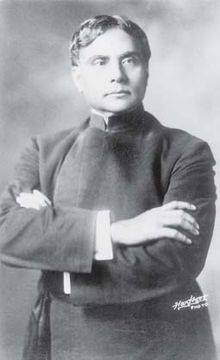

Comments
Post a Comment